“Why do we need a checkup? Nothing’s wrong with my child.”
Honestly, we hear that a lot.
And on the surface, it makes sense. If your child isn’t coughing, running a fever, or attempting to jump off the furniture after watching a superhero movie, why schedule a doctor’s appointment?
Because some of the most important things we do happen when children are healthy.
Well Visits Are About Prevention, Not Problems
Think of a well visit like routine maintenance for your car.
You don’t wait until the engine falls out before getting it checked. You keep up with regular maintenance so small issues don’t become big ones.
Children are no different.
According to the American Academy of Pediatrics (AAP), well-child visits include recommended screenings, assessments, and preventive care designed to monitor growth and development from infancy through adolescence.
In other words, we’re not just looking for illness. We’re making sure your child is growing, developing, and thriving.
We Catch Things Early
Many health concerns don’t come with flashing warning lights.
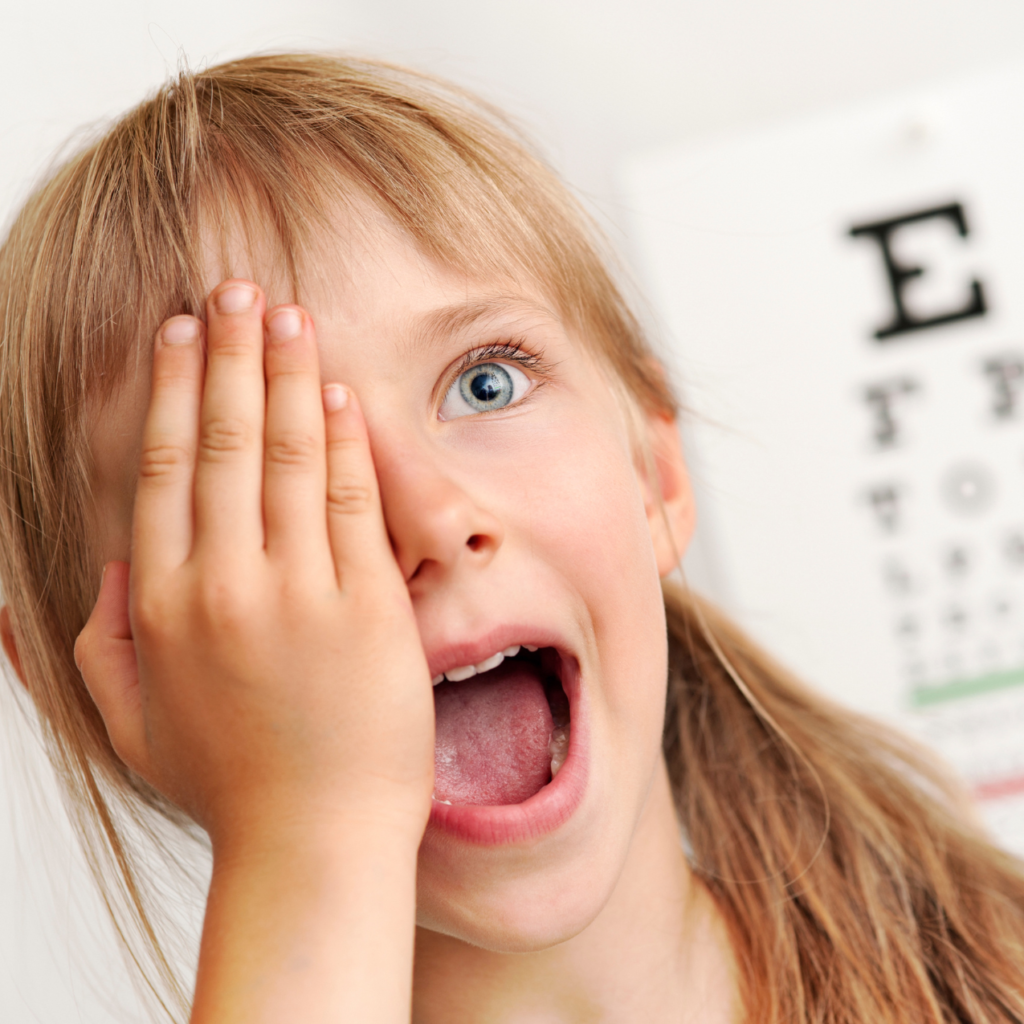
- Vision problems.
- Hearing issues.
- Developmental delays.
- Behavioral concerns.
- Mental health struggles.
- Growth concerns.
These are often identified during routine wellness visits long before they become bigger challenges.
The CDC and AAP recommend developmental screenings at specific ages because early identification gives children the best opportunity for support and success.
We Answer the Questions You Didn’t Know You Had
Every stage of parenting comes with new questions.
❓Why won’t my toddler eat anything green?
❓Is my child getting enough sleep?
❓Should I be worried about screen time?
❓Is this behavior normal?
❓Do they need a sports physical?
❓Can we survive middle school?
Okay, maybe we can’t answer that last one completely.
But a well visit gives parents dedicated time to ask questions, discuss concerns, and get guidance tailored to their child.
It’s Not Just About Shots
One of the biggest misconceptions about well visits is that they’re only for vaccines.
Actually, vaccines are just one piece of the puzzle.
Well visits also include:
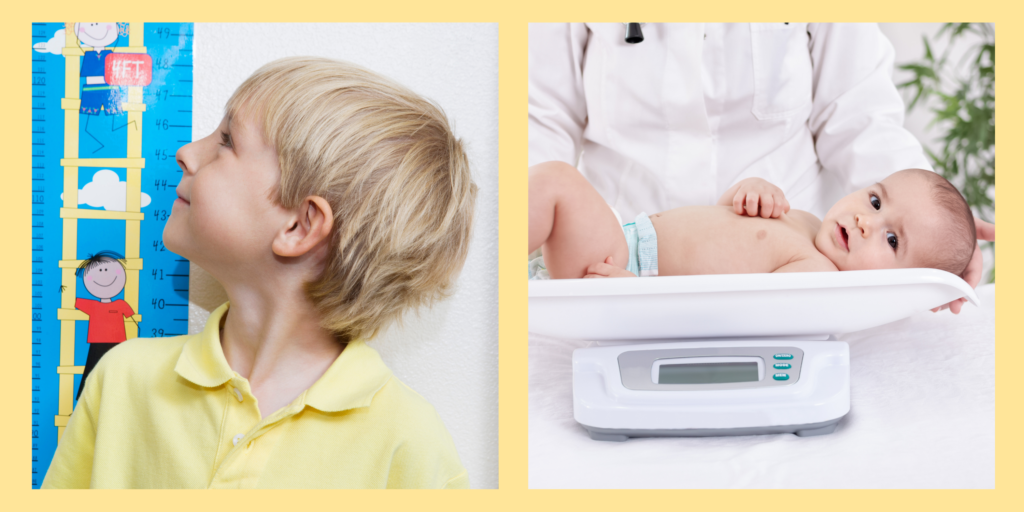
- Growth monitoring
- Vision and hearing assessments
- Nutrition discussions
- Sleep guidance
- School readiness conversations
- Mental and emotional health screening
- Safety counseling
- Developmental milestone reviews
The goal is simple: help children stay healthy physically, emotionally, and socially.
We Get to Know Your Child
At KidMed, one of our favorite parts of well visits is watching children grow up.
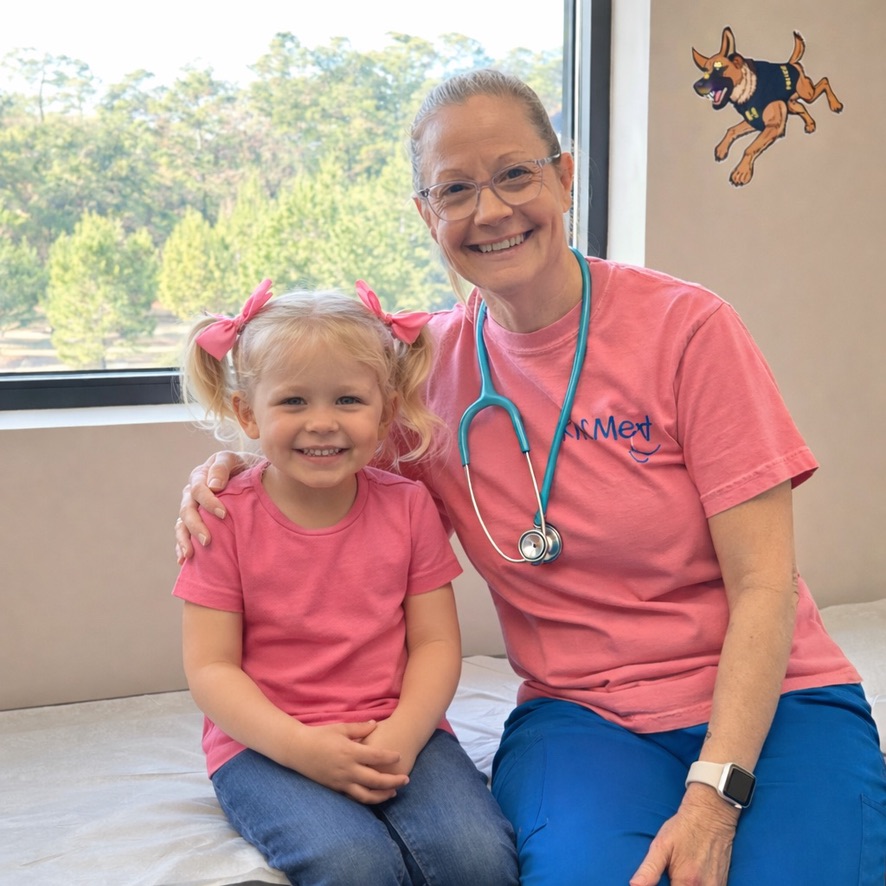
The toddler who wouldn’t sit still becomes a kindergartener.
The kindergartener becomes a middle school student.
The middle school student suddenly becomes a teenager asking for the car keys.
When we see children regularly, we learn what’s normal for them. That relationship helps us recognize concerns sooner and provide more personalized care.
The American Academy of Pediatrics emphasizes the importance of continuity of care because relationships matter in healthcare.
Summer Is the Perfect Time
If your child needs a well visit, summer is one of the best times to schedule.
You’ll beat the back-to-school rush, complete school and sports forms early, and head into the new school year knowing your child is ready to learn, grow, and succeed.
Because the goal isn’t just helping children when they’re sick.
It’s helping them stay healthy enough to enjoy being kids.
And that’s something worth checking on.