

For many children, pets are much more than animals. They are bedtime companions, after-school greeters, quiet comforters during hard days, and loyal best friends through every stage of childhood.
They become part of the rhythm of family life.
At KidMed, we see that bond every day.
Many of our patients know Puck, our little Maltipoo “employee” who happily greets children, sneaks in cuddles, and somehow always seems to know when someone needs comfort. What newer families may not know is that Puck learned a lot from his big sister, Sadie.
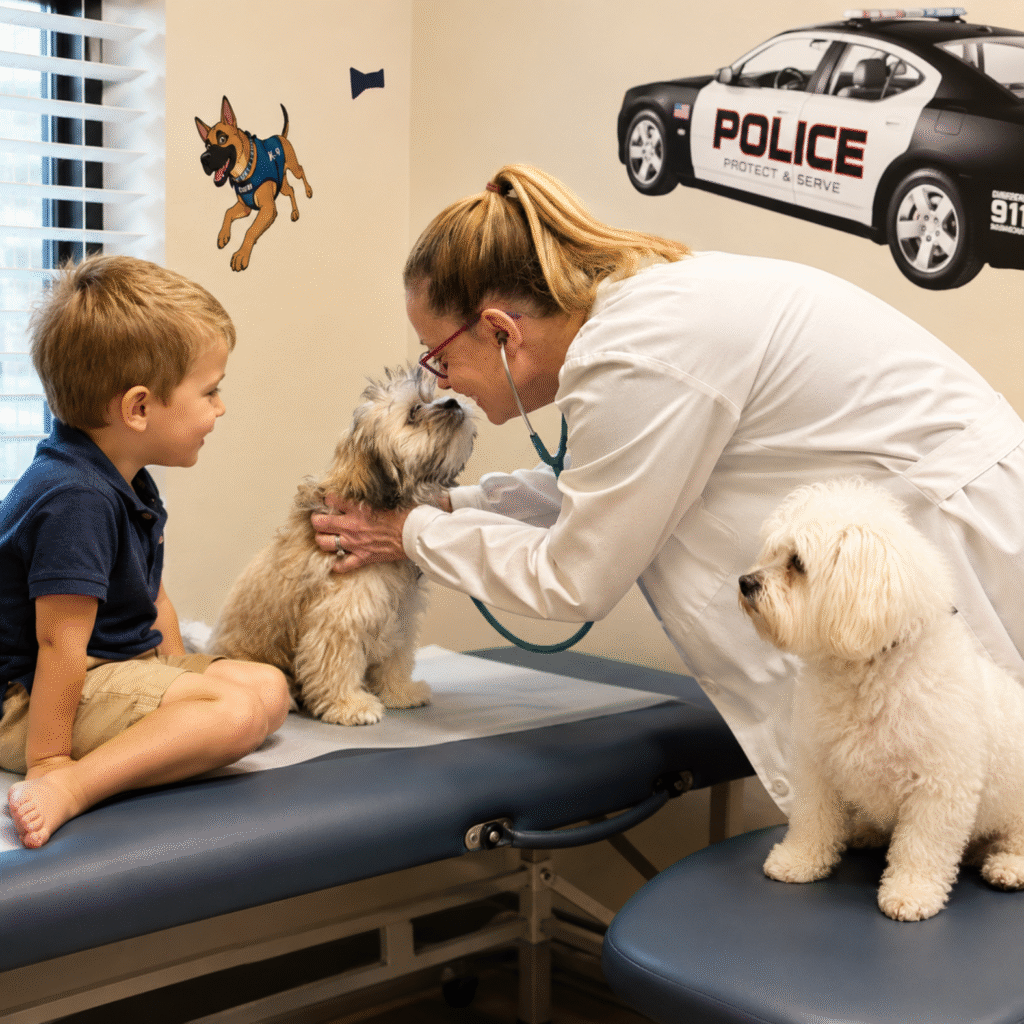
Sadie showed him how to sit calmly beside nervous children, how to be gentle when someone was scared, and how to simply be present. Like many older dogs do, she quietly taught by example. Watching the two of them together reminded us how deeply animals shape not only our homes, but our hearts.
That is why losing a pet can feel so overwhelming for children.
For some kids, it may be their very first experience with grief. For others, it may feel like losing a constant source of comfort and security. Pets are woven into childhood memories in ways adults sometimes underestimate. They are there for bedtime routines, family movie nights, hard days after school, celebrations, illnesses, and ordinary moments that become important simply because they were shared together.
When a pet dies, children are not “just losing a dog” or “just losing a cat.” They are grieving a relationship.
And while no article can take away that pain, there are ways parents can help children feel supported, safe, and understood during the grieving process.
Be Honest — Even When It Is Hard
Experts encourage using clear, honest language when talking with children about death. Phrases like “went to sleep” or “went away” may feel gentler in the moment, but they can sometimes create confusion or fear, especially for younger children.
Simple and loving honesty is usually best.
Children may ask difficult questions, and they may ask them repeatedly. This is normal. Kids often process grief slowly and in pieces. Repetition helps them understand what has happened and feel emotionally secure.
It is okay not to have every answer.
Sometimes the most comforting response is simply: “I know you miss her too.”
Remember That Grief Does Not Always Look the Same in Children
Some children cry immediately. Others seem completely fine at first. Some become clingy. Others may act angry, withdrawn, or anxious. Younger children may continue asking when their pet is coming home. Teens may grieve deeply but keep much of it private.
There is no single “correct” way for a child to grieve.
Grief in children often comes in waves. A child may seem okay one day and heartbroken the next. That does not mean something is wrong. It means they are processing loss in a developmentally normal way.
Parents sometimes worry they are “doing it wrong” if their child is still upset weeks later. In reality, grief often revisits children at different ages as their understanding of loss matures.
Reassure Children That They Are Not to Blame
One of the most important things parents can do is gently reassure children that the death was not their fault.
Children sometimes quietly carry guilt after a pet dies. They may wonder if they caused it because they forgot to feed the pet once, got frustrated with them, or wished for more freedom or responsibility at some point.
Even when adults know those thoughts are irrational, children may still believe them.
Simple reassurance matters:
🩷 “You did not cause this.”
🩷 “Your pet knew he was loved.”
🩷 “We took good care of her.”
Those words can carry tremendous comfort.
Allow Children to Participate in Goodbye Rituals
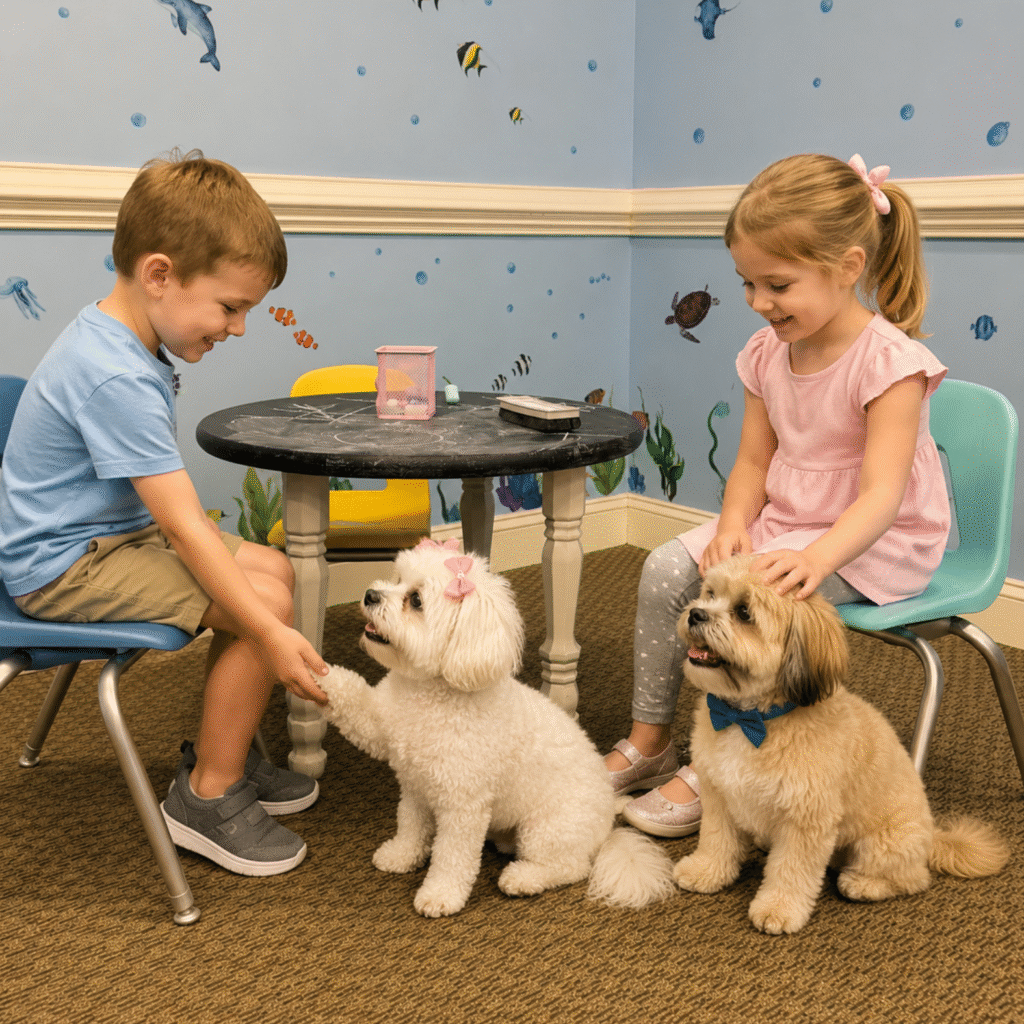
Many experts recommend giving children an opportunity to say goodbye in ways that feel appropriate for their age and comfort level.
Some families:
🐾 write letters to their pet
🐾 create photo albums
🐾 plant flowers or a tree
🐾 frame a favorite picture
🐾 share funny stories together
🐾 keep a special collar or toy in a memory box
These rituals help children understand that grief and love can exist together.
Not every child will want to participate, and that is okay too. Some children prefer quiet processing. Follow their lead whenever possible.
Keep Routines Steady
After a loss, familiar routines help children feel safe.
Simple things like bedtime schedules, school routines, family dinners, and normal daily structure can provide emotional stability during a time that feels uncertain.
Children do not need parents to “fix” grief. More often, they need loving adults who are willing to sit beside them through it.
It Is Okay for Children to See Adults Grieve
Many parents try to hide sadness because they want to protect their children. But seeing healthy, calm emotion actually teaches children something important: grief is part of love.
It is okay for children to see tears.
It is okay for them to hear: “I miss her too.”
What matters most is helping children feel safe while showing them that sadness is normal and survivable.
When Extra Support May Help
Most children gradually process pet loss with support from family and time. However, parents may want to seek additional support if a child experiences:
🐾 prolonged withdrawal
🐾 severe anxiety
🐾 significant sleep problems
🐾 ongoing panic about death
🐾 major changes in eating or behavior
🐾 persistent hopelessness
Sometimes children need extra help putting big emotions into words, and that is okay.
A Final Thought from KidMed
At KidMed, we know pets are often woven into the story of childhood.
They are there for scraped knees, thunderstorms, bedtime tears, celebrations, quiet afternoons, and growing up. They become part of what makes a house feel like home.
And when families walk through the loss of one, we hope they know they do not have to navigate that grief alone.
Puck still carries many of the lessons Sadie taught him — gentleness, patience, and the ability to simply sit beside someone who needs comfort. In many ways, that is what children need most during grief too.
Not perfect words.
Not rushed healing.
Just love, honesty, and people willing to walk beside them through the hard moments. 🩷