
The Daily Battleground
It is a crisp November morning, the temperature has dropped into the chilly low 40s, and your child is standing by the open front door, aggressively refusing to put on their winter coat. They insist they aren’t cold, while you are standing there wrapped in a blanket like a human burrito. In a flash of parental frustration, you deploy the ultimate classic warning that has been passed down through generations: “Put a coat on right this second, or you are going to catch a cold!”
It is a phrase etched into the global parenting script. But if we pause and look at this through a strict clinical lens, your child’s resistance brings up a fascinating scientific debate. Does shivering in the cold actually cause an infection? Or have we been blaming the autumn weather for a crime committed entirely by microscopic germs?
What the Science Says
According to our friends at the American Academy of Pediatrics (AAP), cold air itself cannot physically inject a virus into a human body. You can stand outside in freezing temperatures naked for an hour, and if you do not come into contact with a respiratory virus, you will not develop a common cold. Colds, flus, and respiratory syncytial virus (RSV) are caused entirely by microscopic pathogens, not by a dip in the barometric pressure or damp hair.
However, before you throw out all your winter coats, recent advancements in rhinovirus research from Harvard Medical School have revealed that the old wives’ tale contains a hidden layer of brilliant biological truth. When cold, dry air enters your nasal passages, it physically lowers the local tissue temperature. This drop in temperature suppresses the nose’s natural immune defense mechanism—specifically, it reduces the release of billions of microscopic, virus-fighting fluid sacs called exosomes. Furthermore, the Centers for Disease Control and Prevention (CDC) point out that winter viruses are naturally more stable and live significantly longer in cold, dry environments. Combined with the fact that families spend more time crowded indoors with poor ventilation during November, you get the perfect storm for germ transmission.
The Deep-Dive Strategies You Won’t Find Elsewhere
To keep your little hero’s defenses fully locked down as the frost arrives, we need to look past traditional vitamin gummies and engineer a superior biological shield:
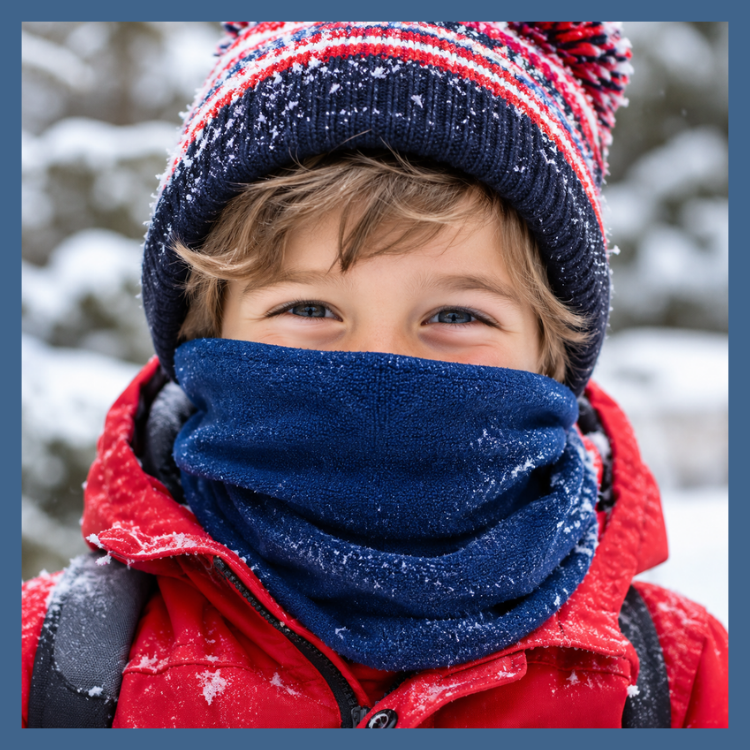
The “Nose Scarf” Respiratory Trick: Since the suppression of the immune system begins when the tissue inside the nose gets cold, the primary job of winter gear isn’t actually to keep the chest warm—it is to keep the airway insulated. Teach your child to pull a soft, breathable fleece neck gaiter or scarf up over their nose for the brief walk to the school bus or during recess. This traps the humidity and warmth of their own breath, keeping the nasal lining at an optimal temperature to continuously launch its natural antiviral defenses.
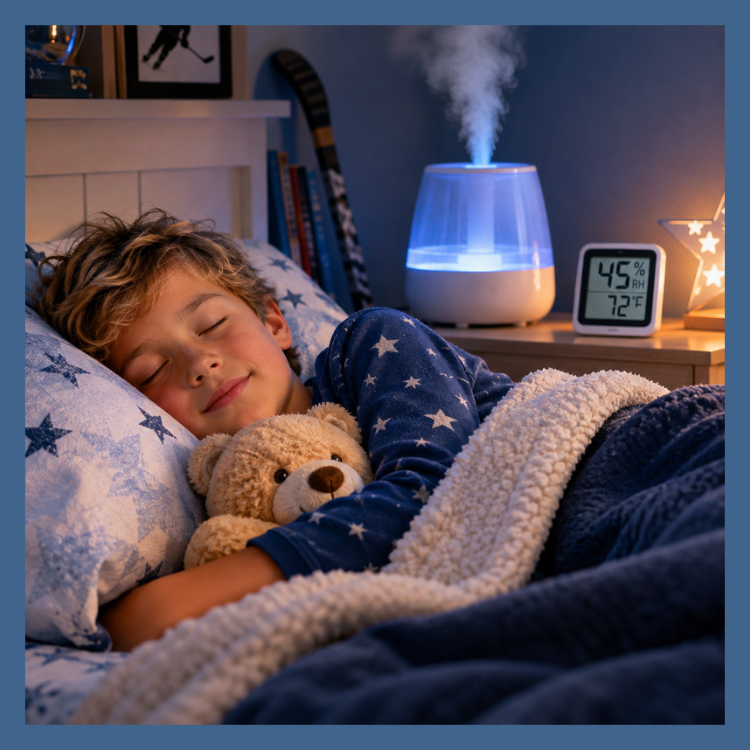
The Relative Humidity Target: When you turn on your home’s central heating system in November, the internal relative humidity can drop below 20%, which is as dry as the Sahara Desert. This dry air instantly dehydrates your child’s mucous membranes, creating microscopic cracks in their nasal passages that act as open highway lanes for viruses. Use a simple, cheap digital hygrometer to monitor your home, and run a cool-mist humidifier in their bedroom to maintain an ideal target relative humidity between 40% and 50%. This keeps their natural physical barrier moist and effective.

Kids are terrible at covering their coughs effectively under stress. Instead of constantly nagging them after they sneeze into the open air, turn proper execution into a points-based game called the “Vampire Sneeze.” Teach them to rapidly bury their nose deep into the crook of their elbow—like Dracula pulling his cape across his face. Reward them with imaginary points whenever they catch a sneeze cleanly without using their hands.
The KidMed Bottom Line
Cold air doesn’t create germs, but it does lay out the red carpet for them by lowering your child’s natural physical defenses. By shifting your focus from abstract clothing arguments to keeping their respiratory tract warm and properly humidified, you act as the ultimate health guide for your household. Stay tuned next week for Part 2, where we will tackle the mystery of winter dehydration and the hidden “thirst drive drop!”