
The Daily Battleground
If you have ever asked your child to go upstairs, put on their shoes, and grab their backpack, only to find them twenty minutes later sitting on the floor half-naked, staring intensely at a dust bunny while holding a single sock, welcome to the club. Your child isn’t intentionally trying to sabotage your morning schedule, nor are they practicing a highly specialized form of silent rebellion. Their internal “air traffic control system”—known scientifically as executive function—is simply experiencing a temporary system delay.
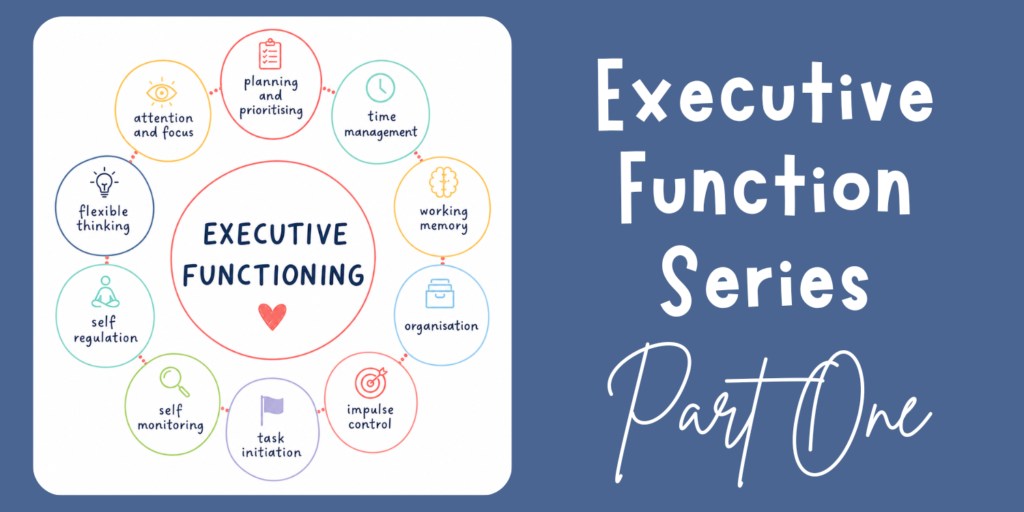
Executive function is the biological suite of mental skills that includes working memory, flexible thinking, task initiation, and self-control. Think of it as the ultimate chief operating officer (COO) of the brain. The problem? When a child is young, this COO is essentially an unpaid, overtired intern who doesn’t know how to use the copy machine, turns left when they should turn right, and gets easily distracted by shiny objects.
What the Science Says
According to the American Academy of Pediatrics (AAP), executive function skills do not just magically appear by default when a child hits school age. They develop gradually through deliberate environmental practice, predictable daily routines, and neurological maturation. This massive biological job is managed almost entirely by the prefrontal cortex—the area of the brain sitting right behind your child’s forehead.
The catch? Neurologists at the National Institutes of Health (NIH) have proven that the prefrontal cortex is the last region of the human brain to fully mature, continuing its development well into a person’s mid-twenties. (Which, let’s be honest, explains a massive amount about our own choices during our college years). When your child stalls out on a basic multi-step task, they are dealing with an anatomical limitation, not a behavioral defiance problem.
The Deep-Dive Strategies You Won’t Find Elsewhere
Most parenting blogs will tell you to simply “be patient” or “make a checklist.” But when you are running late for work and your kid is missing a shoe, patience feels like a luxury you can’t afford. Let’s look at how we can actively build this biological control tower using unique, actionable insights:

The “Air Traffic Control” Analogy: Sit down with your child during a calm moment (not during the morning rush) and explain how a busy airport works. Tell them, “Your brain has planes full of ideas trying to land. Sometimes, too many try to land at once, and the airport gets stuck!” This gives you a shared, blame-free vocabulary. When they freeze up later, you can simply whisper, “Do we need to clear the runway for just one plane?”
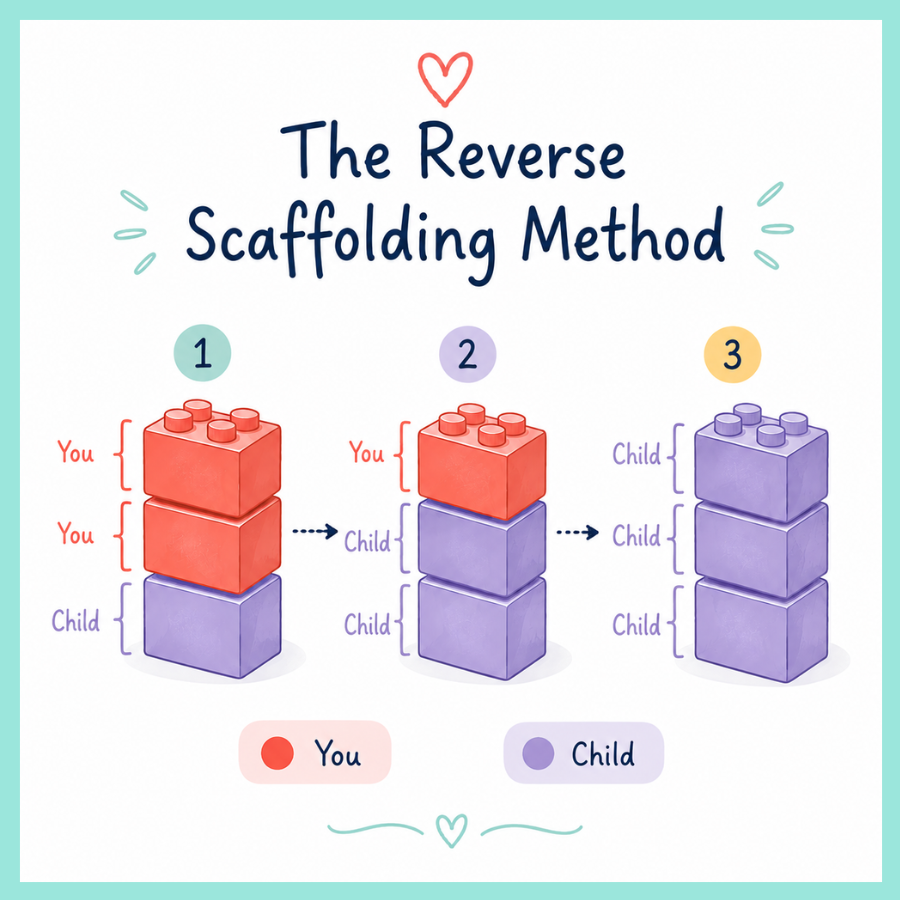
The Reverse Scaffolding Method: Instead of giving a top-down command, start at the very end of the task. If they need to clean up their blocks, pack their bag, and put on a coat, do the first two steps with them, and let them execute the final step independently. Over the course of two weeks, gradually back your way out of the equation. This prevents the working memory from redlining and building up performance anxiety.

The Micro-Environment Audit: Take a physical look at your home from your child’s eye level. A massive toy chest or an open closet looks like a visual storm to a developing prefrontal cortex. It triggers cognitive overload, causing the brain to switch off. Switch to opaque, labeled bins with single-category items (e.g., only cars, only markers) so their eyes can process the physical environment without shutting down the brain’s executive engine.
The KidMed Bottom Line
You are the ultimate architect of your child’s environment, but you cannot force a biological timeline. By changing the way you deliver instructions, you act as the external prefrontal cortex for your child until their internal one can permanently take over the reins. Pack your bags and buckle up—next Thursday, we are diving deep into the fascinating, frustrating world of the disappearing mental sticky note: Working Memory!