
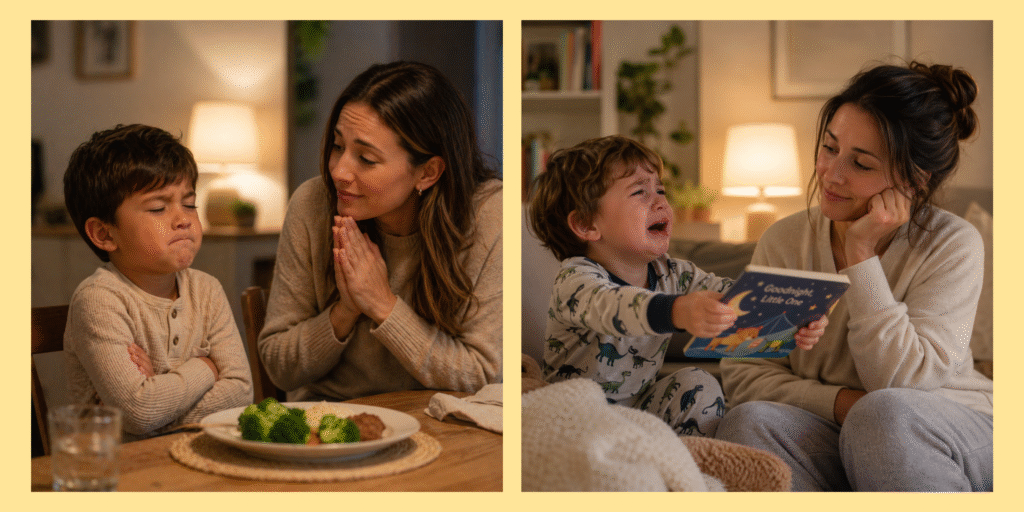
If you’ve spent more than five minutes on social media lately, you’ve probably seen it—
gentle parenting is everywhere.
Short videos, scripts, “say this not that,” and a whole lot of pressure to get it just right.
And if you’ve ever found yourself thinking,
“Wait… am I supposed to just let this meltdown happen because I’m being gentle?”
You are not alone 💙
Let’s talk about what gentle parenting actually is… and where things sometimes go off track.
The Myth
Somewhere along the way, gentle parenting started to sound like:
- Never saying no
- Avoiding conflict at all costs
- Keeping your child happy all the time
- Feeling like every boundary might “damage” your child
And honestly? That version of parenting is exhausting.
It leaves parents second-guessing themselves and wondering if they’re doing something wrong every time their child is upset.
But here’s the truth: that version isn’t actually supported by research.
Organizations like the American Academy of Pediatrics and the American Psychological Association consistently emphasize that children do best with a combination of warmth and structure—not one or the other.
The Magic
At its core, gentle parenting is actually a really positive approach.
It focuses on:
- Connection
- Respect
- Teaching instead of punishing
Those are all things we want for our kids.
In fact, decades of research—starting with developmental psychologist Diana Baumrind—show that the most effective parenting style is one that balances nurturing with clear expectations.
But here’s the part that often gets lost in the social media version:
👉 Gentle parenting still includes boundaries.
In fact, kids need them.
What Actually Works
You can be calm and firm.
You can be kind and say no.
You can validate feelings without changing the boundary.
That’s the sweet spot.
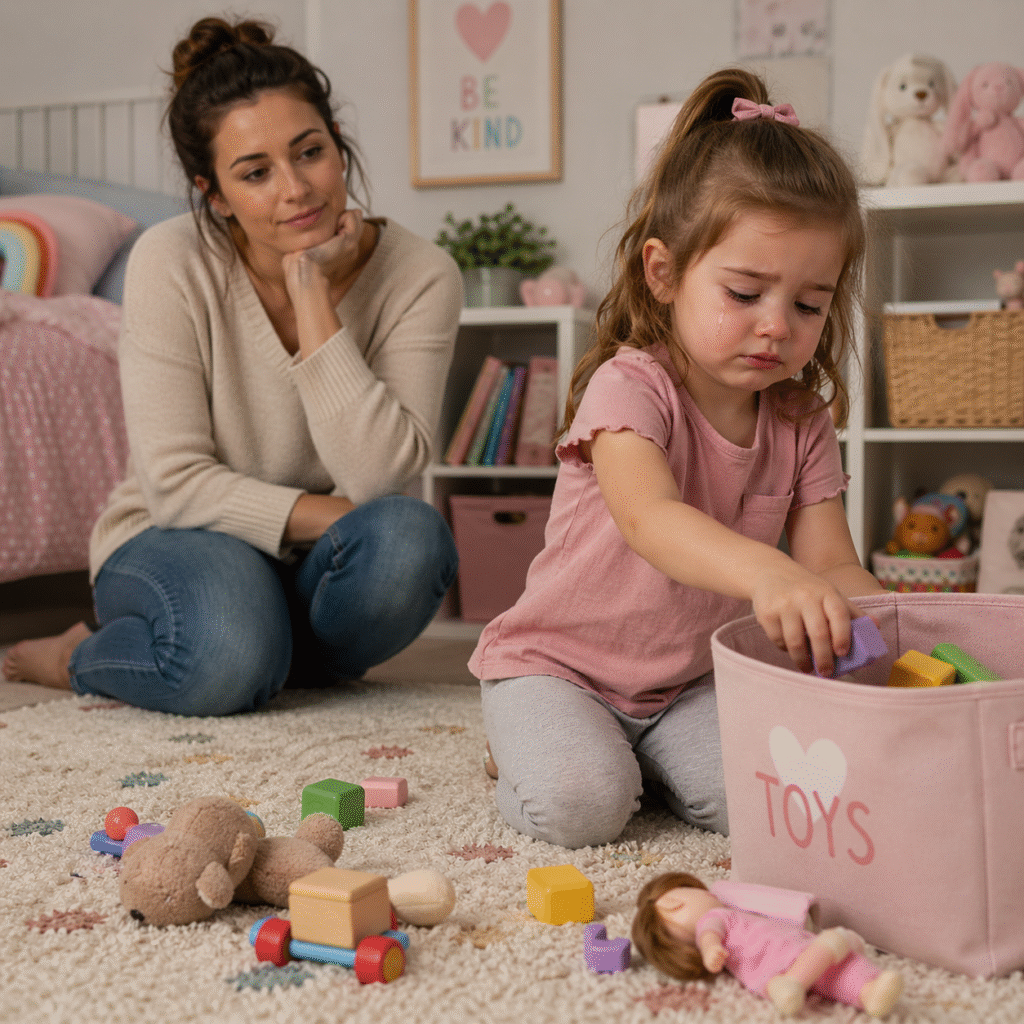
Child development experts like Daniel J. Siegel and Tina Payne Bryson emphasize that helping kids name and understand their feelings is important—but that does not mean removing limits.
Here’s what that looks like in real life:
❌ Instead of:
“Okay, you don’t have to clean up if you’re upset”
✅ Try:
“I hear that you’re frustrated. We’re still going to clean up.”
❌ Instead of:
“One more show because you’re sad”
✅Try:
“I know you want more. We’re all done for today.”
Your child may still be upset.
That does not mean you’ve done anything wrong.
In fact, guidance from the Centers for Disease Control and Prevention reminds us that consistent boundaries help children learn self-control and understand expectations.
Why This Feels So Hard Right Now
Parents today are getting advice from everywhere—
social media, blogs, friends, family, and experts who all seem to say something slightly different.
Add in busy schedules, work, and the mental load of raising kids, and it’s no wonder this feels overwhelming.
There’s also this underlying pressure to do everything “right.”
To say the perfect thing.
To respond perfectly every time.
Even the Surgeon General of the United States has acknowledged that modern parenting comes with increasing stress and unrealistic expectations.
That pressure is real—and it’s a lot.
A Helpful Reframe
Your job is not to keep your child happy every moment of the day.
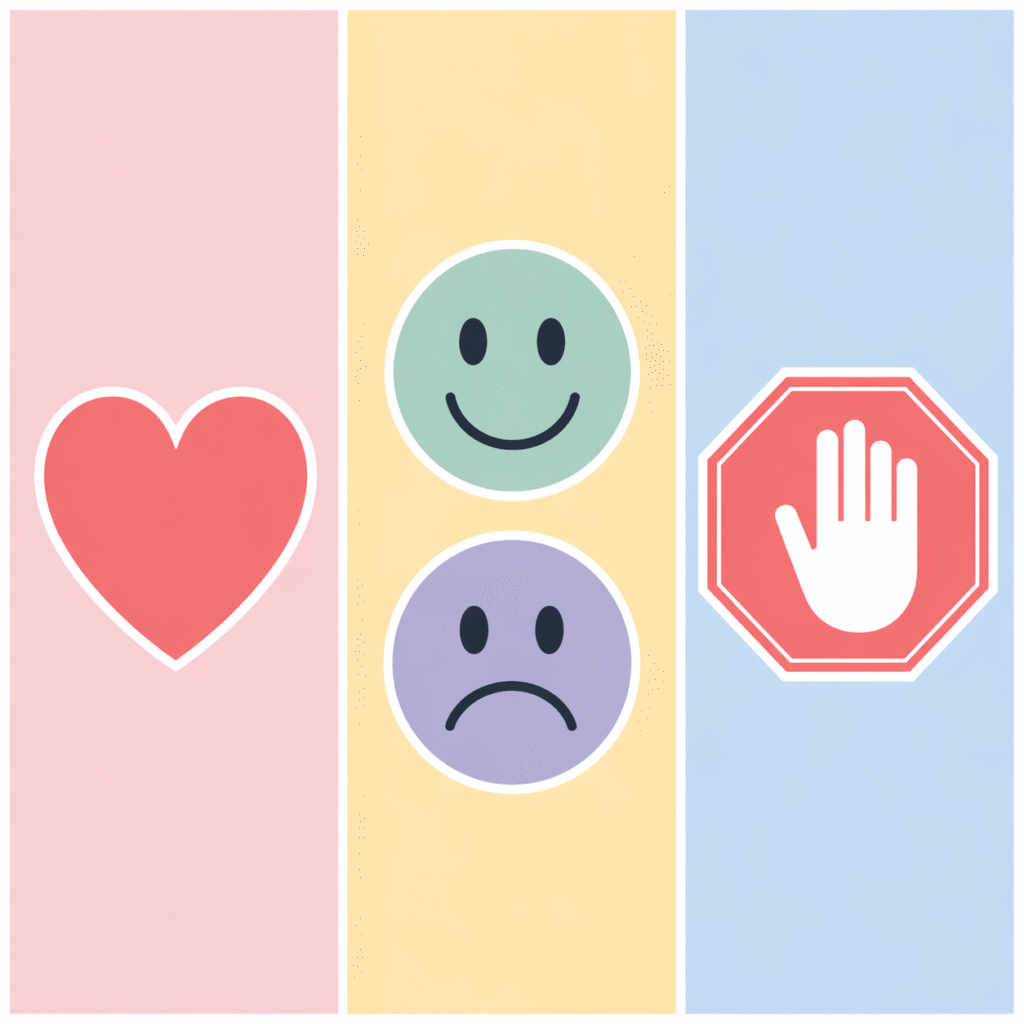
Your job is to help them:
- feel loved
- learn how to handle big emotions
- understand limits
And here’s the part we don’t say enough:
👉 Boundaries are part of what makes kids feel safe.
Research from places like the Harvard University Center on the Developing Child shows that children thrive when relationships are both responsive and predictable.
Love + limits = security.
So… Myth or Magic?
The answer is a little bit of both.
The myth is that gentle parenting means saying yes to everything and avoiding hard moments.
The magic is raising kids with connection, respect, and clear, consistent boundaries.
The KidMed Take:
You don’t have to choose between being a kind parent and being in charge.
You can be both 💙
And if your child is upset sometimes?
That just means they’re learning—and you’re doing your job.
Want to Learn More?
If you’re the kind of parent who likes to dig a little deeper, these are great, trusted resources:
- American Academy of Pediatrics – Positive Parenting Guidance
- Centers for Disease Control and Prevention – Essentials for Parenting
- American Psychological Association – Parenting Styles Overview
- Harvard University Center on the Developing Child
- The Whole-Brain Child by Daniel J. Siegel and Tina Payne Bryson
- Surgeon General of the United States – Parental Stress Advisory