
Ah, the Fourth of July.
The grills are fired up. The coolers are packed. The kids have already asked for snacks seventeen times before 10 a.m. Someone is headed to the beach. Someone else is headed to the pool. And at least one parent is wondering if they remembered to buy sunscreen.
Summer holidays are some of our favorite times of the year. They’re filled with family traditions, laughter, and memories that children will carry for years.
Unfortunately, they’re also a time when urgent care clinics and emergency departments see an increase in preventable injuries.
The good news? Most of them are avoidable.
Here are a few simple ways to keep your family safe while still enjoying every minute of the holiday weekend.
Sunburn Is More Than Just an Inconvenience
We’ve all heard it before:
“They’re fine. They’ll just be a little red tomorrow.”
But sunburn is actually a form of skin injury.
According to the American Academy of Dermatology, just one blistering sunburn during childhood can significantly increase the risk of developing skin cancer later in life.
Children’s skin is especially vulnerable because it’s thinner and more sensitive than adult skin.
KidMed’s Sunscreen Checklist
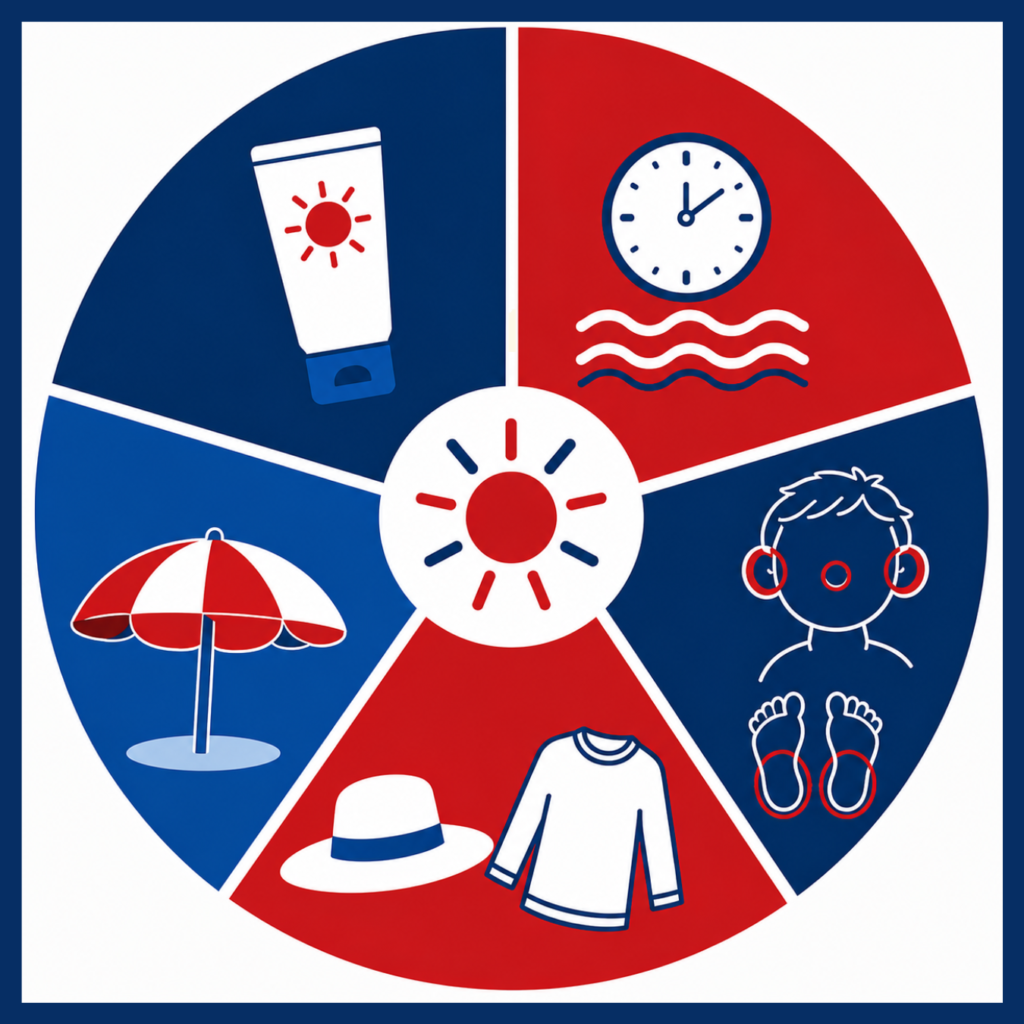
🇺🇸 Apply broad-spectrum SPF 30 or higher over 6 months of age
🇺🇸 Reapply every two hours—and after swimming
🇺🇸 Don’t forget ears, feet, noses, and the back of the neck
🇺🇸 Use hats and protective clothing when possible
🇺🇸 Seek shade during peak sun hours
And yes, the cloudy beach day still counts.
We’ve treated plenty of children with impressive sunburns after spending all day under “cloud cover.”
When Should Parents Worry About a Sunburn?
Most mild sunburns can be treated at home with cool compresses, hydration, and rest. However, you should contact a healthcare provider if your child develops:
- Large blisters
- Fever or chills
- Significant pain
- Signs of dehydration
- Vomiting
- Sunburn involving a large portion of the body
Babies under 12 months old deserve special attention, as even moderate sunburn can become more serious quickly.
Heat Exhaustion Can Sneak Up on You
Children are often too busy having fun to realize they’re getting overheated.
One more swim.
One more game.
One more trip down the water slide.
Before you know it, they’re tired, cranky, dizzy, or complaining of a headache.
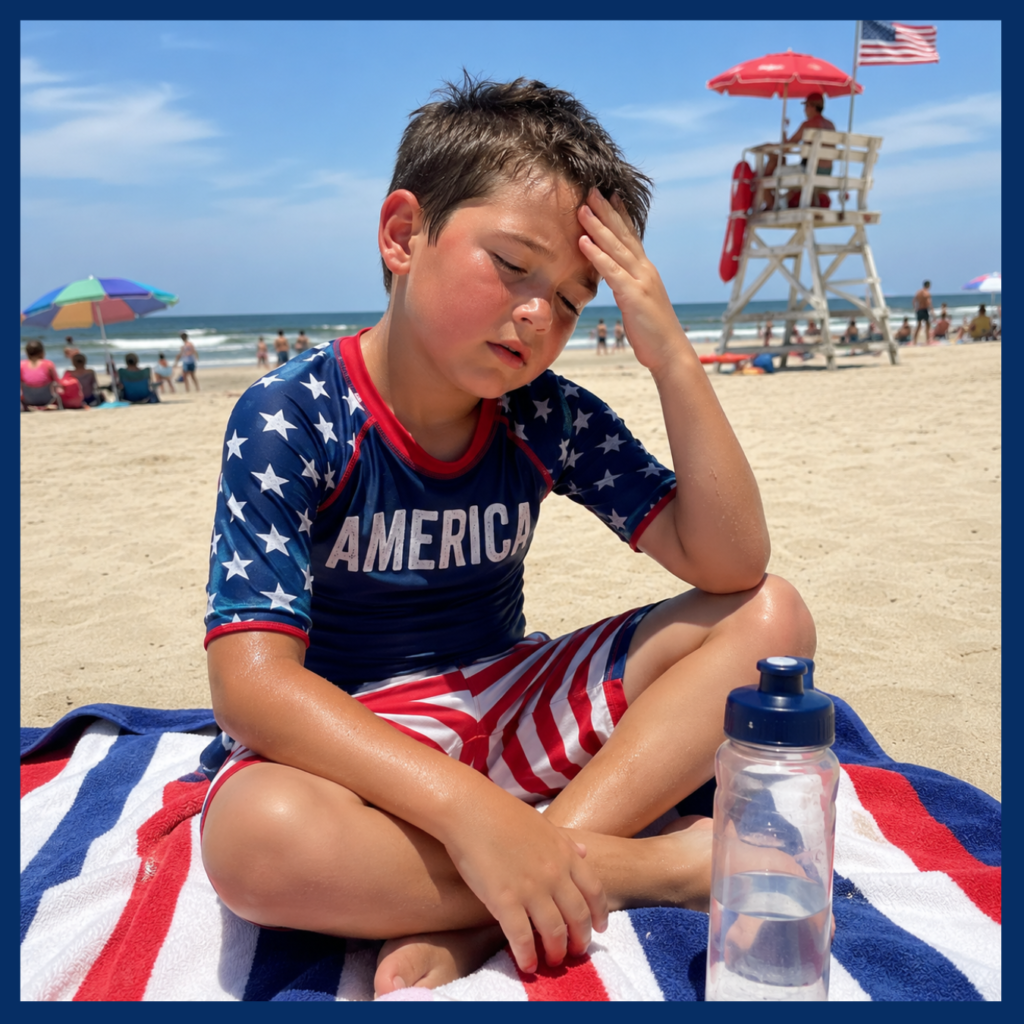
Warning signs of heat-related illness can include:
- Excessive fatigue
- Headache
- Nausea
- Dizziness
- Muscle cramps
- Vomiting
According to the Centers for Disease Control and Prevention, children are particularly vulnerable to heat-related illnesses because their bodies don’t regulate temperature as efficiently as adults.
Translation?
The child who insists they’re “totally fine” may not actually be fine.
Hydration breaks are not optional.
Heat Stroke Is an Emergency
While heat exhaustion is common during the summer, heat stroke is a medical emergency.
Seek immediate medical attention if your child develops:
- Confusion
- Difficulty waking up
- Loss of consciousness
- Seizures
- Severe lethargy
- A body temperature above 104°F
When in doubt, move your child to a cool area, begin cooling measures, and seek medical care right away.
Fireworks Are Beautiful. They’re Also Explosives.
This is the section where we sound like parents because, well…we are.
According to the U.S. Consumer Product Safety Commission, thousands of people are treated in emergency departments each year for fireworks-related injuries, with many injuries occurring in children and teens.

The most common injuries involve:
- Hands
- Fingers
- Eyes
- Face
Even sparklers deserve respect.
Many parents are surprised to learn that sparklers can burn at temperatures exceeding 1,000 degrees Fahrenheit—hot enough to cause serious burns.
Our recommendation?
Leave the fireworks to trained professionals whenever possible and enjoy the show from a safe distance.
What Should You Do If a Burn Happens?
If your child suffers a minor burn:
- Cool the area with running water for 10–20 minutes
- Remove jewelry or tight clothing near the burn if possible
- Cover loosely with a clean, dry dressing
Please don’t apply butter, toothpaste, oils, or other home remedies. Despite what Grandma may have recommended in 1978, these treatments can actually make burns worse.
Seek medical care for:
- Burns involving the face
- Burns involving the hands
- Significant blistering
- Electrical or firework-related burns
- Any burn you’re unsure about
Water Safety Is Everyone’s Responsibility
If your holiday weekend includes a pool, lake, river, or beach, this may be the most important section of the entire article.
According to the American Academy of Pediatrics, drowning remains one of the leading causes of injury-related death among children.
What makes drowning especially dangerous is that it is often silent.
There is rarely splashing.
There is rarely yelling.
There is rarely a dramatic call for help.
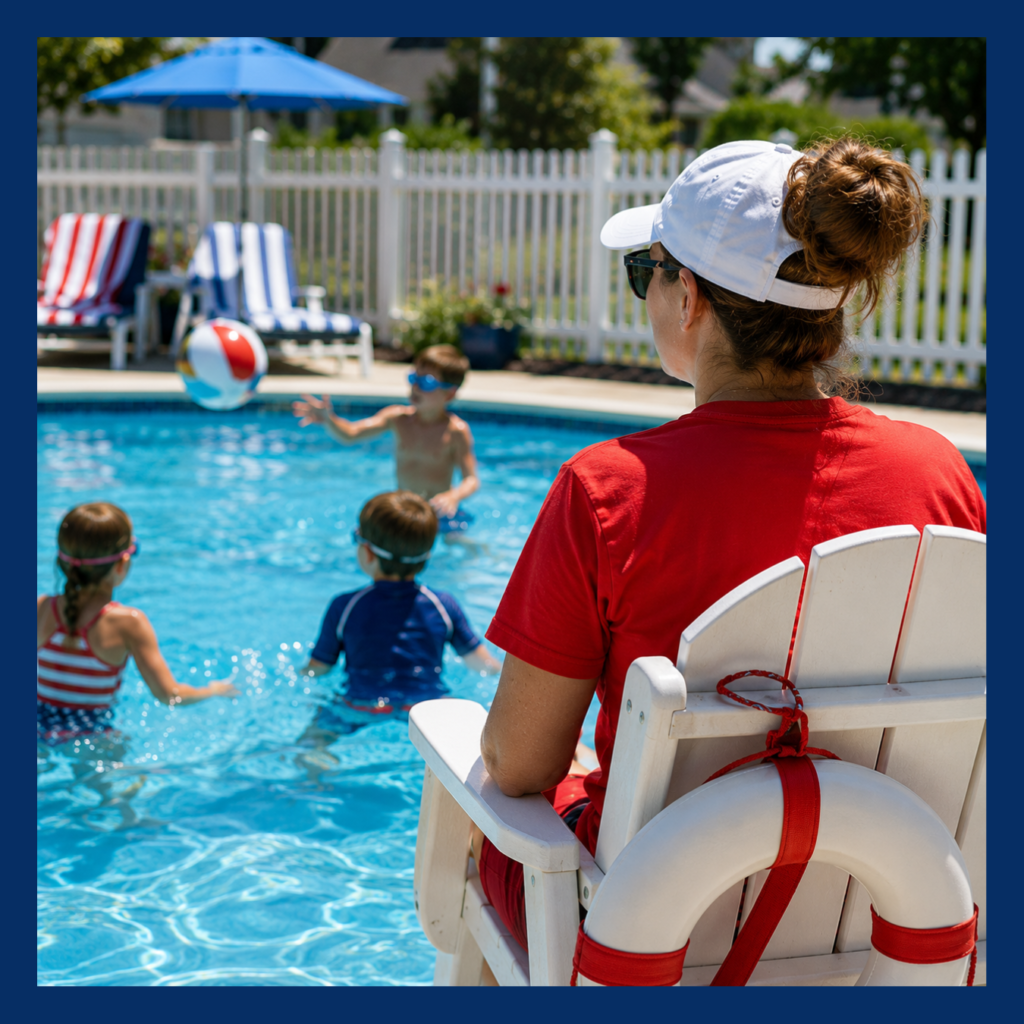
Children should always have active adult supervision around water—even if they know how to swim.
Not “watching from the patio.”
Not “checking your phone for a minute.”
Not “their older cousin is keeping an eye on them.”
Active. Focused. Adult supervision.
Every time.
Layers of Protection Save Lives
The AAP recommends using multiple layers of water safety, including:
✓ Swim lessons
✓ Properly fitted life jackets near lakes, rivers, and boats
✓ Four-sided pool fencing when applicable
✓ A designated “water watcher” whose only job is supervising swimmers
✓ Constant adult supervision
The designated water watcher concept is one of our favorites. During busy family gatherings, everyone assumes someone else is watching the kids.
Make sure someone actually is.
The KidMed Takeaway
The Fourth of July should end with happy memories, sticky popsicle fingers, and maybe a child asleep in the back seat before you even leave the parking lot.
A little planning can go a long way toward preventing sunburns, heat illness, burns, and water-related emergencies.
So apply the sunscreen.
Drink the water.
Watch the swimmers.
Leave the fireworks to the professionals.
And enjoy making memories with the people you love most.
From all of us at KidMed, we hope you have a safe, healthy, and happy holiday weekend. 🇺🇸