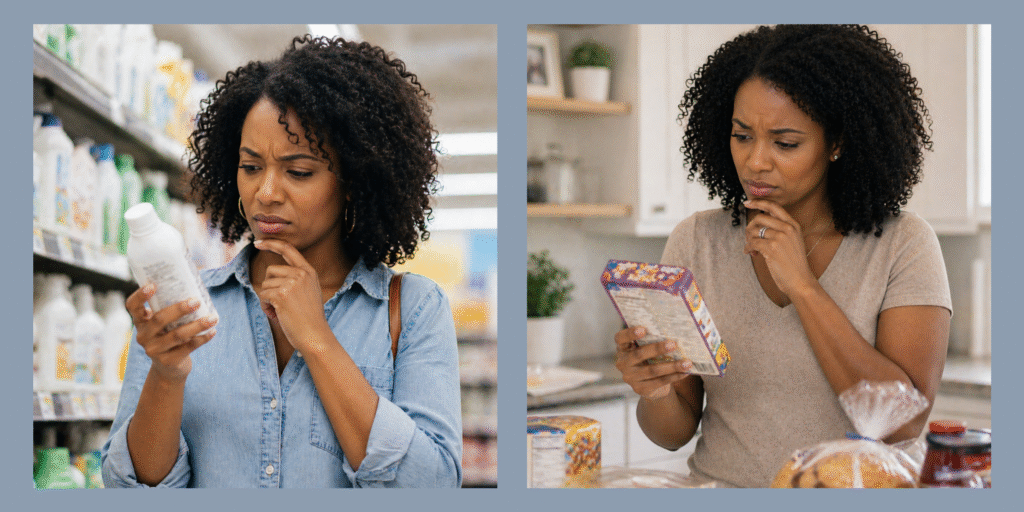
If you’ve spent any time online lately, you’ve probably seen it…
“Stop using this.”
“This is toxic.”
“Throw this away immediately.”
And suddenly you’re standing in your kitchen wondering if everything in your house is a problem.
Take a breath
Let’s talk about what actually matters.
The word “toxin” gets used… a lot
Some exposures can affect children’s health—that part is real.
But here’s what often gets missed:
👉 Dose matters. Context matters.
A lot of what you’re seeing online is based on extreme exposure levels or lab settings that don’t reflect everyday life.
That’s why organizations like the Centers for Disease Control and Prevention and the Environmental Protection Agency focus on long-term, meaningful exposures—not one-time, low-level contact.
Why kids are more vulnerable (this part is important)
Children are not just “small adults.”
According to the Environmental Protection Agency, kids:
- eat, drink, and breathe more per pound than adults
- have developing brains and bodies
- are more likely to put things in their mouths
That means some exposures matter more for children.
👉 Which is exactly why we focus on the right risks—not all of them.
What we actually worry about (the real risks)
If you’re going to focus your energy anywhere, focus here:
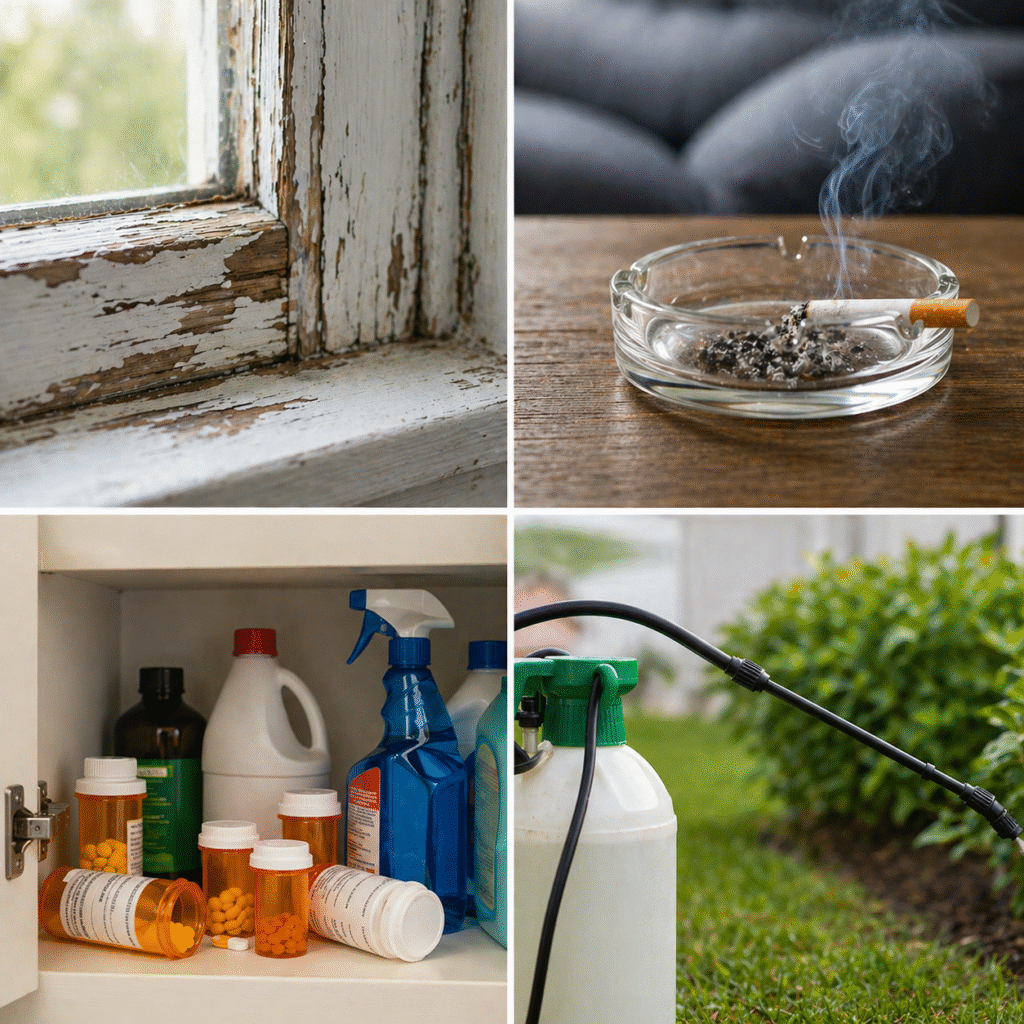
✔ Lead exposure
According to the Centers for Disease Control and Prevention, even low levels of lead exposure can affect a child’s brain development, learning, and behavior.
✔ Secondhand smoke & air quality
The Environmental Protection Agency notes that children are especially vulnerable to air pollution because their lungs are still developing.
This can increase the risk of asthma, respiratory infections, and long-term lung issues.
✔ Unsafe storage of medications & chemicals
According to Poison Control Centers, accidental ingestion is one of the most common—and preventable—reasons children end up in emergency situations.
✔ Pesticide exposure (improper use or storage)
Research in pediatric environmental health shows that repeated or high-level exposure to certain pesticides can impact development—especially when products are not used or stored correctly.
👉 These are the exposures pediatric experts consistently focus on.
What you don’t need to panic about
This is where social media gets loud:
- plastics
- ingredient lists you can’t pronounce
- “clean” vs. “non-toxic” labels
Here’s the honest, evidence-based truth:
👉 Not every exposure is harmful at typical, everyday levels.
👉 Risk depends on how much, how often, and how long.
You do not need to:
- throw everything out
- replace your entire home
- feel guilty about what you’ve already used
Small, reasonable choices will always matter more than extreme overhauls.
Simple, effective steps
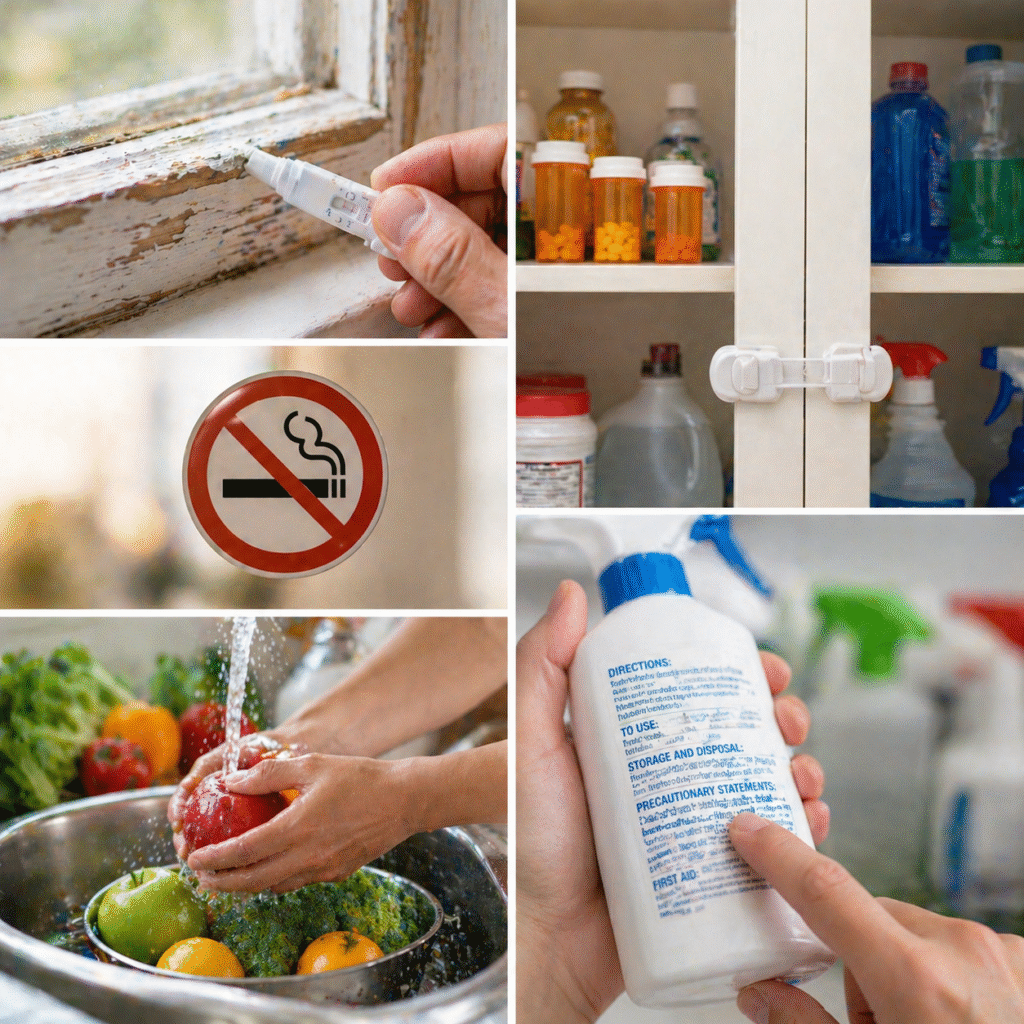
If this topic matters to you, keep it simple:
- Test older homes for lead hazards
- Keep medications and chemicals safely stored
- Avoid smoking or vaping around children
- Wash fruits and vegetables
- Follow directions on household products
👉 These are the steps that actually make a difference.
The bigger picture
According to both the Centers for Disease Control and Prevention and the American Academy of Pediatrics, the biggest drivers of child health are still:
✔ Safe, stable environments
✔ Loving relationships
✔ Nutrition over time
✔ Access to healthcare
Not whether every single product in your home is perfect.
KidMed Summary:
You don’t have to do everything right.
You don’t have to eliminate every possible risk.
You just have to focus on what matters most… and let the rest go.
You’re doing better than you think 💙