

If you’ve been on the internet this week, you may have seen something like:
“The government now says kids shouldn’t have sugar until age 11.”
That’s a strong headline.
It’s also not what the Dietary Guidelines actually say.
So let’s take a breath and go straight to the source. Here is the exact language from the federal recommendations:
“Avoid foods and beverages with added sugars for those younger than age 2.”
That’s clear. When discussing infants and young children, the guidelines also say:
“Infants and young children have virtually no room in their diet for added sugars… Complementary foods need to be nutrient-dense and not contain additional calories from added sugars.”
And they add:
“Low- and no-calorie sweeteners… are not recommended for children younger than age 2.”
Why so firm under age 2?
Because nutrient needs are very high relative to body size. There simply isn’t much room for empty calories. And during this stage, taste preferences are forming. Very sweet foods early on can shape what children expect food to taste like later.
That makes developmental sense.

Now here’s the important part: Nowhere in the federal Dietary Guidelines does it say “avoid all sugar until age 11.”
For children over age 2, the guidance shifts. It focuses on limiting added sugars so they make up less than 10 percent of daily calories. It emphasizes increasing vegetables, whole grains, seafood, and fiber. It reminds us that there are “very limited calories available outside of those needed for meeting food group and nutrient goals.”
That’s about balance and nutrient density. Not a lifetime cupcake ban.
So why is the conversation around sugar getting louder?
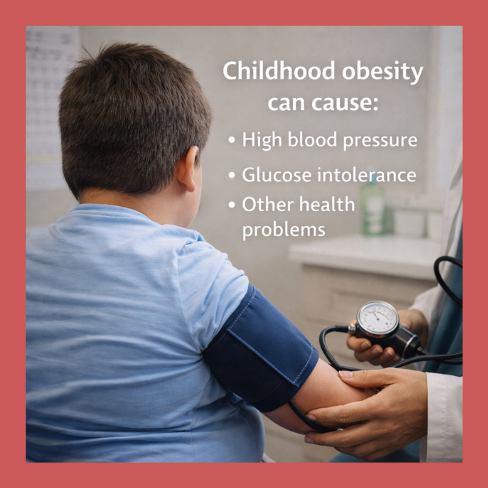
Because the statistics are concerning. The guidelines note that 41 percent of children and adolescents in America are overweight or have obesity. Youth with obesity are at increased risk for high blood pressure, high cholesterol, impaired glucose tolerance, type 2 diabetes, and long-term cardiovascular disease. There are also psychological and social impacts — anxiety, depression, stigma, bullying.
That context matters, and it explains why added sugar is under a brighter spotlight.
Now let’s talk about something that parents often ask about: sugar and the brain.
While “sugar addiction” is not a formal medical diagnosis, research does show that sugar activates the brain’s reward system. Highly sweet foods stimulate dopamine release — the same pathway involved in reinforcement and habit formation.
Children’s brains are especially responsive to reward signals. When sweet foods are frequent, the brain can start to expect that level of stimulation. Over time, that can increase cravings and preference for sweetness.
That doesn’t mean your child is addicted because they like frosting.
It does mean that daily sugary drinks, sweetened cereals, and constant snack foods can shape preference patterns that are hard to unwind later.
This is less about one dessert and more about daily defaults.

At KidMed, here’s how we think about it:
Under 2: avoid added sugar as best you can. Let taste buds develop naturally.
Over 2: limit added sugar so there is room for protein, fiber, healthy fats, and the foods that actually fuel growth.
All ages: occasional treats are part of real life. Food should not be moralized. But it also shouldn’t crowd out nutrition.
We are not the sugar police.
We are pattern watchers.
And the pattern matters more than the party. 🎉