
A KidMed Guide for Families
At KidMed, our goal is simple:
We are here to support parents and families.
We believe in parent choice.
We believe in thoughtful conversations.
And we believe your child is not a statistic — he or she is an individual.
Our responsibility is to provide factual, scientific information so that you can make informed decisions about what is best for your child and your family.
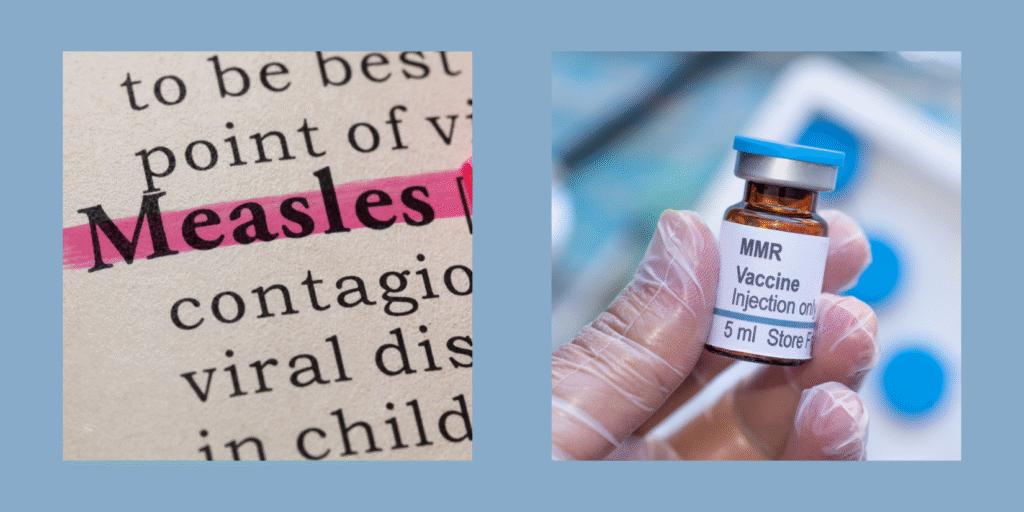
With measles back in the headlines, we’ve been having thoughtful conversations in the office. So let’s talk about the facts — clearly, calmly, and respectfully.
What Is Measles?
Measles is a highly contagious viral illness that spreads through the air. A person can spread it for several days before they even know they are sick. Early signs include “high fever, cough and runny nose, red, watery eyes, white spots inside the mouth, and/or a red, blotchy rash that starts on the face and spreads” (Clinical Advisor, 2026).
According to the Centers for Disease Control and Prevention (CDC), measles outbreaks have surged in the United States. In 2025, more than 2,200 confirmed cases were reported nationwide — the highest number since measles was declared eliminated in 2000. As of early 2026, national case counts continue to rise, with over 900 confirmed cases already documented. These outbreaks have occurred in multiple states. (CDC, 2026)
In North Carolina, measles activity has increased as well. As of mid-February 2026, health officials have confirmed 18 measles cases in the state, with data showing that approximately 72% of these cases had not received any doses of MMR vaccine, and the other 28% had received only one dose. (NCDHHS, 2026; WITN, 2026) “Measles is not a mild infection,” said Dr. Cameron Wolfe of Duke University Hospital, “There’s a 90% chance that an unvaccinated person exposed to measles will get it (Clinical Advisor, 2026).
This data reflects who has been reported as diagnosed, not moral judgments about individuals.
What Does the MMR Vaccine Do?
The MMR vaccine protects against:
- Measles
- Mumps
- Rubella
Receiving two doses of the MMR vaccine provides about 97% protection against measles.
Like any medical intervention, it has potential side effects. Most are mild and temporary, including:
- Fever
- Rash
- Soreness at the injection site
A small number of children may experience a febrile seizure due to fever after vaccination. These events can seem alarming but are typically brief and do not cause long-term harm. In fact, febrile seizures happen more often with fever caused by infections than with vaccines.
Serious allergic reactions are uncommon but are monitored closely by clinicians and safety systems.
Common Questions & Claims
Claim: “Measles is mild and media exaggerates it.”
Fact:
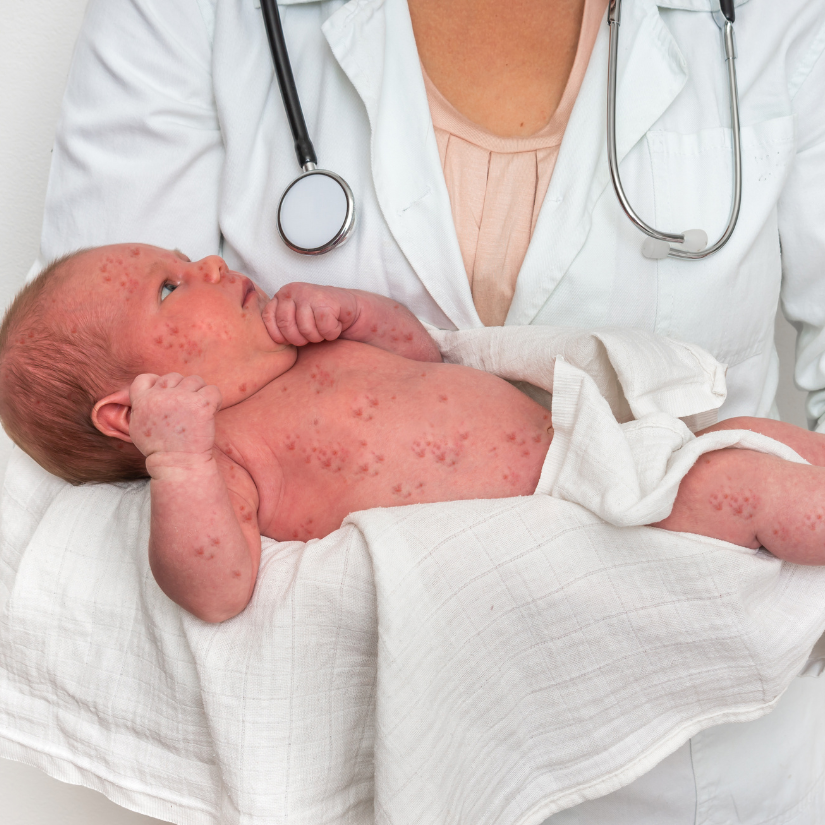
While many – even most – cases are mild, measles can lead to serious complications such as pneumonia, brain swelling (encephalitis), hospitalization, and even death. The contagiousness of measles and the number of confirmed cases in recent years show that it is a real disease with real impact, not a baseless headline. We will admit, however, that the media sometimes appears to be polarizing on purpose 😇.
Claim: “Vaccines contain aborted fetal tissue.”
Fact:
Some vaccines — including the rubella component of MMR — were developed using laboratory cell lines derived from fetal tissue from two elective abortions in the 1960s. These cell lines (known as WI-38 and MRC-5) have been grown in laboratories continuously for decades.
Important clarifications:
- These abortions were not performed to create vaccines.
- No new fetal tissue is used for vaccine production today.
- The final vaccine does not contain fetal tissue or intact fetal cells.
- At most, trace amounts of DNA fragments — which are biologically inactive — may remain after manufacturing.
Families with ethical concerns may weigh this history differently; our goal is simply to explain the science accurately and let you make the decisions that work for your family.
Claim: “Vitamin A or cod liver oil can prevent measles.”
Fact:
Vitamin A may be used by clinicians as supportive treatment for children who already have measles, particularly when deficiency is a concern. However, it does not prevent measles. High doses of vitamin A without medical supervision can be harmful. Good nutrition supports overall immune function but does not have the same effect on the body as a vaccination.

Claim: “Vaccinated people still get measles, so vaccines don’t work.”
Fact:
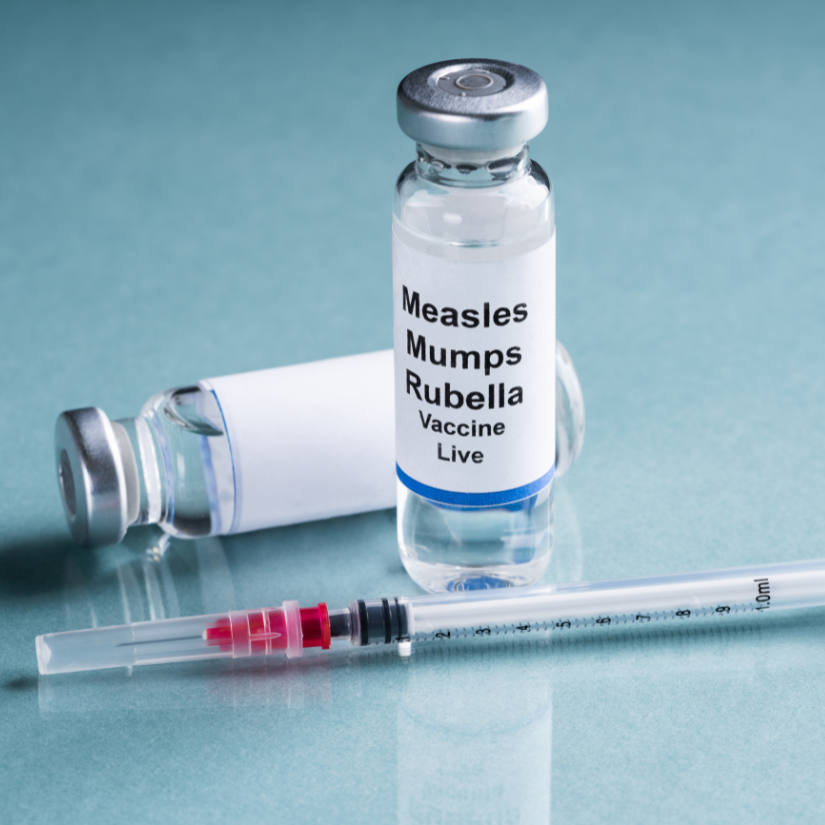
No vaccine is 100% effective, but the two-dose MMR schedule provides about 97% protection against measles. Breakthrough cases do occur, but these tend to be milder and less likely to lead to widespread transmission compared with infections in unvaccinated individuals.
Claim: “Vaccines cause autism or other common long-term injuries.”
Fact:
The idea that the MMR vaccine causes autism began with a 1998 study that was later retracted due to serious flaws and scientific misconduct. You can read all about this study, and others, here. Since then, large, well-designed studies involving hundreds of thousands or millions of children have repeatedly found no causal link between vaccines and autism. Leading scientific bodies — including the CDC, American Academy of Pediatrics, and World Health Organization — affirm that the evidence does not support this claim.
Claim: “Vaccine injury reports prove vaccines are dangerous.”
Fact:
Safety monitoring systems like the Vaccine Adverse Event Reporting System (VAERS) are tools for tracking events that occur after vaccination. A report to VAERS means an event happened following a vaccine, not that the vaccine caused it. Anyone can submit a report, and reports are not verified for causation before being accepted. VAERS is most useful for identifying possible patterns that require further study.
When possible safety signals are detected, analysts use more rigorous systems — such as the Vaccine Safety Datalink (VSD) or Clinical Immunization Safety Assessment (CISA) project — to evaluate whether an event is truly associated with vaccination.
What About Families Who Have Had Reactions?
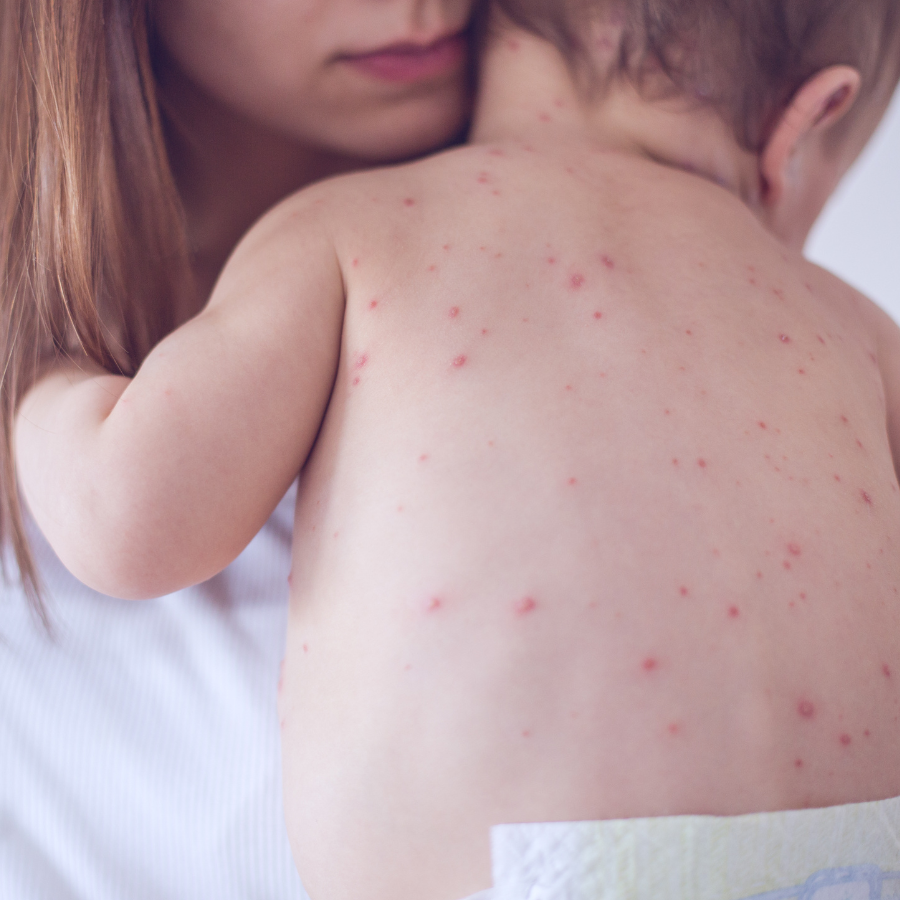
If your child or close family member has had a significant reaction to a vaccine, that information matters. Some children have true medical contraindications to specific vaccines. These situations deserve individualized assessment by experienced clinicians.
At KidMed, we take these concerns seriously and evaluate them carefully, without judgment. We are, in no way, suggesting that vaccinating is right for everyone.
Our Philosophy at KidMed
We are not here to pressure.
We are not here to shame.
We are not here to scare.
We are here to:
- Share evidence
- Answer questions
- Discuss risks honestly
- Respect your role as a parent
Measles is real.
Vaccines have risks.
Both statements can be true at the same time.
Good medicine lives in the space where we weigh those realities thoughtfully and compassionately.
If You’re Unsure
That’s okay.
Schedule a conversation.
Bring your questions.
Bring your research.
Bring your concerns.
We are happy to walk through it with you.
Because informed decisions — not fearful ones — are what truly protect children.
Sources for Families who want to know more. . .
CDC Measles Cases & Outbreak Data
https://www.cdc.gov/measles/data-research/index.html
North Carolina DHHS – Measles Updates
https://www.ncdhhs.gov/news/press-releases/2026/02/04/measles-cases-continue-increase-ncdhhs-shares-new-outreach-tools-and-materials
WITN Reporting on North Carolina Measles Cases
https://www.witn.com/2026/02/12/measles-cases-rise-north-carolina-health-officials-urge-precautions/
CDC – Vaccine Safety & VAERS Explanation
https://www.cdc.gov/vaccinesafety/ensuringsafety/monitoring/vaers/index.html
CDC – Febrile Seizures and MMR Safety Information
https://www.cdc.gov/vaccine-safety/vaccines/mmr.html
Clinical Advisor – measles Cases Rise in North Carolina as Public Exposures are Reported
AAFP / WHO / National Academy of Sciences Summary on Vaccines and Autism
(Available through peer-reviewed literature; summaries at immunize.org and WHO.)