How to Help Your Baby Graduate to a Cup (Without Tears… Mostly)
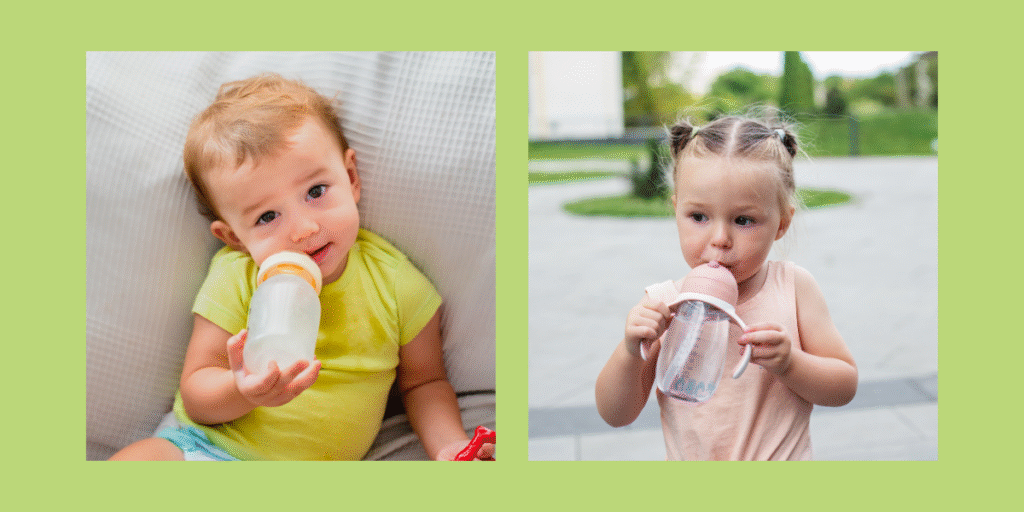
If your baby is turning one, congratulations! You have survived sleep deprivation, mystery stains, and the phase where everything is tested for edibility. (Including your phone.)
Now comes the next milestone: saying goodbye to the bottle.
Before you panic—deep breath. This does not have to be dramatic. And no, your child will not show up to kindergarten clutching a bottle like a security blanket. We promise.
Today we are covering:
- Why pediatricians recommend moving from bottle to cup
- When to start (and when to be done)
- How to make the transition without turning bedtime into a nightly negotiation
And yes—this advice is backed by research, not TikTok trends.
Why Stop the Bottle Anyway?
Let’s start with the “why,” because this is not just one of those “because we said so” parenting rules.
Better for Little Teeth. According to the American Academy of Pediatrics, prolonged bottle use—especially at bedtime—increases the risk of early childhood cavities. Milk contains natural sugars, and when those sugars sit on teeth overnight, cavity-causing bacteria are thrilled. KidMed Komment: If your child still has a bedtime bottle during the transition phase, brushing their teeth after the bottle can help protect those pearly whites.
Better Nutrition (and Less Picky Eating). Toddlers who drink too much milk can easily fill up on liquid calories and miss out on iron-rich solid foods. Pediatric guidelines generally recommend limiting cow’s milk to 16–24 ounces per day. Too much milk has also been linked to iron-deficiency anemia in toddlers. Translation?
Milk is great—but toddlers still need to eat real food. Even the ones who currently survive on three crackers and one highly suspicious snack they found on the floor.
Oral-Motor Development (aka Skills for Eating & Talking). Drinking from a bottle requires very little effort compared to drinking from a cup. Pediatric feeding research summarized by the American Speech-Language-Hearing Association shows that learning to drink from a cup helps strengthen oral-motor skills needed for chewing and speech development. Think of it as a tiny workout for the mouth—no gym membership required.
Better Sleep (Yes, Really). According to sleep guidance from the American Academy of Pediatrics, removing bottles from bedtime routines helps toddlers develop self-soothing skills and healthier sleep habits—especially before separation anxiety peaks around 18–24 months. Goodbye “sip… doze… sip… repeat” cycles.
When Should You Stop the Bottle?
Most pediatric experts recommend:
- Introducing cup practice around 6 months (when solids begin)
- Starting bottle weaning around 12 months
- Completing the transition by 15–18 months
The key is that cup skills should already be developing before the bottle is fully gone. If you have not started yet? No worries. Babies are surprisingly adaptable—often faster than we expect.
How to Transition From Bottle to Cup
There is no single “right” way. The best approach depends on your child’s personality… and your patience level that week.
Option 1: Cold Turkey
Best for:
- Easygoing kids
- Parents who prefer ripping the Band-Aid off
Expect a few cranky days, but the habit often ends quickly.
Option 2: Gradual Goodbye
Best for:
- Sensitive kids
- Families who prefer a step-by-step plan
Replace one bottle at a time:
- Midday bottle
- Afternoon bottle
- Morning bottle
- Bedtime bottle (the final boss)
Most families drop one bottle every 5–7 days.
KidMed Komment: Do not overthink this. Most kids adapt faster than parents do.
Teaching Your Baby to Drink From a Cup
Feeding experts referenced by the Centers for Disease Control and Prevention recommend offering a cup as early as 6 months so skills develop gradually.
Helpful tips:
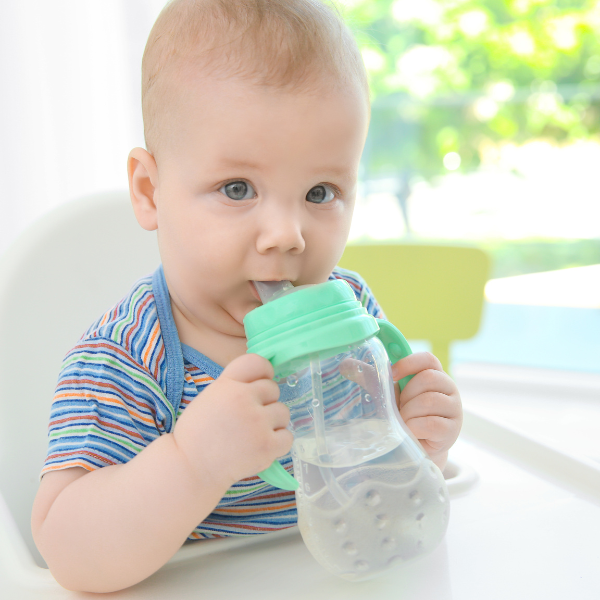
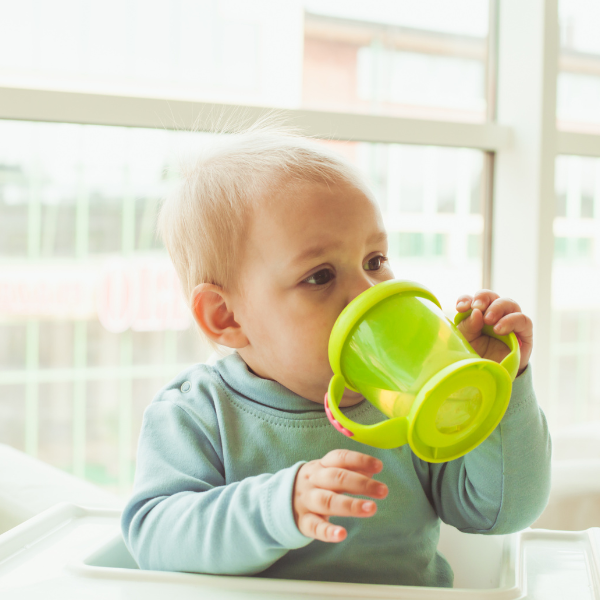
- Start with straw cups, sippy cups, or small open cups
- Offer water with meals so practice happens daily
- Choose lightweight cups for tiny hands
- Model drinking from a cup (babies love copying you)
Yes, spills will happen. This is normal. Your floor will survive.
KidMed Komment: Sippy and straw cups are training tools. The long-term goal is drinking from an open cup—usually by about age two.
A Simple Step-by-Step Plan
- Start with the easiest bottle (usually midday, when your child is rested and least attached).
- Go one bottle at a time and give it a few days before moving on.
- For bedtime bottles, gradually decrease the volume each night until it disappears.
KidMed Komment: If you are switching both milk type and cup, switch the milk first (while still using the bottle), then transition to the cup.
Top Tips for Bottle-Weaning Success
✔ Commit once you start. Going back and forth confuses kids and prolongs the process.
✔ Get everyone on the same page. Grandparents, babysitters, daycare—consistency matters.
✔ Pick your moment wisely. Avoid starting during illness, travel, daycare changes, or new siblings.
✔ Be patient. Some resistance is normal. Progress > perfection.
The Big Picture
Parents often worry that bottle weaning will be traumatic. In reality? Kids are adaptable. Parents are tired. And most transitions are easier than we imagine.
Moving from bottle to cup supports:
- Dental health
- Nutrition and iron intake
- Speech and oral-motor development
- Healthy sleep habits
All are important building blocks for toddlerhood.
You have got this. And if you need backup? KidMed is always here. 💙